








Eating balanced meals is essential for maintaining good health and energy throughout the day. However, planning nutritious meals can sometimes feel overwhelming, especially with busy schedules and endless food choices. The good news is that creating balanced meals doesn’t have to be stressful. With a few simple strategies and a little planning, you can enjoy wholesome, tasty meals that support your well-being.
In this guide, we’ll walk you through practical steps to plan balanced meals easily, helping you eat better without the hassle.
What Is a Balanced Meal?
Before diving into planning tips, it’s helpful to understand what a balanced meal means. A balanced meal includes a variety of foods that provide essential nutrients like carbohydrates, proteins, fats, vitamins, and minerals.
Components of a Balanced Meal
– Protein: Supports muscle repair and keeps you full. Examples include lean meats, fish, beans, tofu, and eggs.
– Vegetables and Fruits: Packed with vitamins, minerals, and fiber. Aim for colorful varieties to get a range of nutrients.
– Whole Grains: Provide energy through carbohydrates and fiber. Think brown rice, quinoa, whole wheat bread, or oats.
– Healthy Fats: Necessary for brain health and hormone production. Sources include nuts, seeds, avocados, and olive oil.
– Hydration: Water is key to overall health, so don’t forget to drink enough throughout the day.
Steps to Plan Balanced Meals Without Stress
1. Start With a Basic Meal Framework
Having a simple template can make meal planning less intimidating. For example:
– Half your plate with vegetables and/or fruits
– A quarter of your plate with protein
– A quarter of your plate with whole grains
– A small amount of healthy fat added in or used in cooking
Using this visual guide helps you build balanced meals quickly.
2. Plan Ahead With a Weekly Menu
Spend a few minutes each week writing down meals you want to make. This could be as simple as listing dinners for five days. Planning ahead:
– Saves time and reduces last-minute decisions
– Helps you shop smarter and avoid waste
– Allows you to balance different food groups across the week
3. Keep Your Pantry and Fridge Stocked With Essentials
When healthy staples are on hand, it’s easier to put together balanced meals. Consider keeping:
– Whole grains (brown rice, quinoa, oatmeal)
– Canned beans or lentils
– Frozen vegetables and fruits
– Lean protein sources (chicken breasts, tofu)
– Healthy fats (olive oil, nuts, seeds)
– Fresh fruits and vegetables for quick use
4. Batch Cook and Prep Ingredients
Batch cooking saves time and lowers stress during the week. You can:
– Cook a large batch of grains or proteins at once
– Chop vegetables in advance and store them
– Prepare sauces or dressings ahead to add flavor easily
Having ready-to-use ingredients means meals come together faster.
5. Incorporate Variety and Flexibility
Eating the same foods every day can get boring. Try to:
– Rotate protein sources (fish, beans, poultry)
– Use different vegetables and fruits based on season and preference
– Experiment with herbs and spices to change flavors
Allow room for swaps and leftovers so you don’t feel locked into rigid plans.
Simple Balanced Meal Ideas to Get You Started
Here are a few stress-free meal combos based on the framework above:
– Grilled chicken breast + quinoa + steamed broccoli + olive oil drizzle
– Black bean and vegetable stir-fry + brown rice + avocado slices
– Baked salmon + roasted sweet potatoes + mixed green salad
– Vegetable omelet + whole wheat toast + fresh fruit
– Chickpea salad with cucumbers, tomatoes, feta cheese, and olive oil
Tips to Keep Meal Planning Enjoyable and Manageable
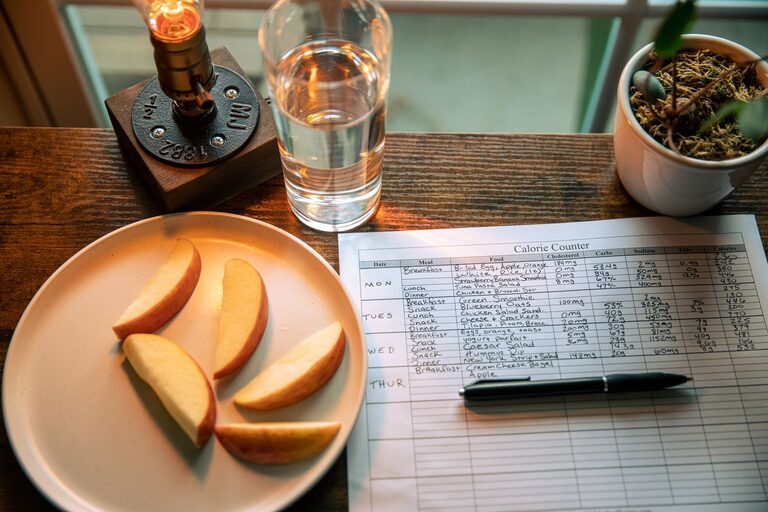
– Use a meal-planning app or printable template to organize ideas.
– Cook once, eat twice: Plan meals that make good leftovers.
– Include your preferences: Choose foods you enjoy to stay motivated.
– Don’t aim for perfection: Balanced eating over time is what counts.
– Ask for help: Involve family members in meal prep or planning.
Conclusion
Planning balanced meals doesn’t have to be complicated or stressful. By using a simple structure, preparing ahead, and keeping your kitchen stocked with nutritious staples, you can make healthy eating part of your routine with ease. Remember, the goal is progress, not perfection—small steps toward balanced meals will support your health while saving time and reducing anxiety.
With these tips, you’re ready to plan satisfying and nourishing meals that work for your lifestyle. Happy eating!