








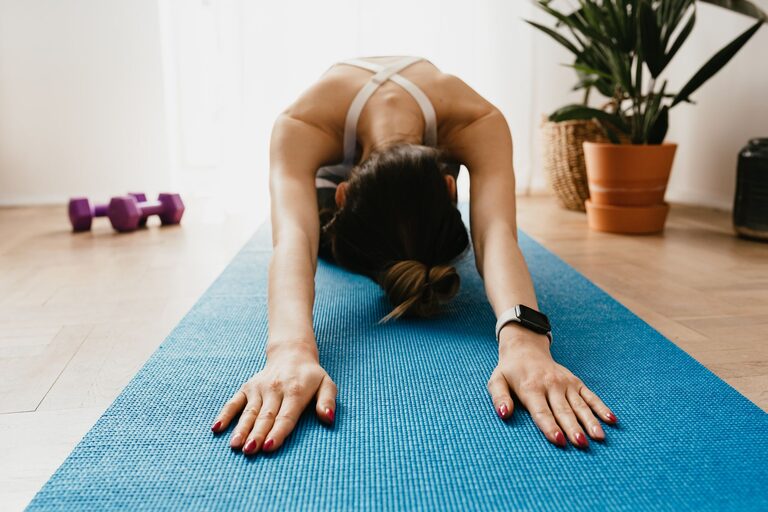
Stretching is a fantastic way to improve your flexibility, reduce muscle tension, and promote overall well-being. The best part? You can easily do it at home without any special equipment or a large time commitment. If you’re new to stretching or unsure how to begin, this beginner’s guide will walk you through the basics, offer practical tips, and share simple routines to get you started safely and effectively.
Why Stretch at Home?
Many people associate stretching with the gym or yoga studio, but stretching at home has several benefits:
– Convenience: No need for a gym membership or travel time.
– Flexibility: You can stretch whenever it fits your schedule.
– Comfort: Stretch in a relaxing space tailored to your preferences.
– Cost-effective: No equipment or classes required.
Stretching regularly can help improve your posture, increase your range of motion, and ease stiffness from sitting or standing too long. It’s also great for calming the mind and reducing stress after a busy day.
Understanding the Basics of Stretching
Before diving into routines, it’s helpful to know two main types of stretches:
1. Static Stretching
In static stretching, you hold a stretch position for 15 to 60 seconds without moving. This method helps increase muscle length over time and is best done after a workout or as part of a cool-down to prevent injury.
2. Dynamic Stretching
Dynamic stretches involve moving parts of your body through a full range of motion, usually in a controlled, smooth manner. These are ideal for warming up before exercise because they prepare muscles for activity and improve circulation.
For beginners, starting with static stretches is generally safest and easiest.
Tips for Safe and Effective Stretching
– Warm up first: Stretching cold muscles can lead to injury. Spend 3–5 minutes doing light activity like walking or marching in place.
– Breathe naturally: Don’t hold your breath. Deep, steady breathing helps muscles relax.
– Don’t bounce: Stretch smoothly and steadily; bouncing can cause strains.
– Listen to your body: Mild discomfort is normal, but never stretch to the point of sharp pain.
– Consistency matters: Aim to stretch at least 3 times a week for best results.
Essential Stretches for Beginners
Here are some simple stretches to target major muscle groups. Hold each stretch for 20–30 seconds and repeat 2–3 times if comfortable.
Neck Stretch
– Sit or stand tall.
– Slowly tilt your head toward your right shoulder until you feel a stretch along the left side of your neck.
– Hold, then switch sides.
Shoulder Stretch
– Bring your right arm across your chest.
– Use your left hand to gently press your arm closer to your chest.
– Hold, then switch arms.
Chest Stretch
– Stand in a doorway.
– Place your hands and forearms on the door frame at shoulder height.
– Step forward slowly, feeling a stretch across your chest.
Upper Back Stretch
– Clasp your hands together in front of you.
– Round your upper back, pushing your hands forward.
– Tuck your chin slightly toward your chest.
Seated Hamstring Stretch
– Sit on the floor with one leg extended.
– Gently lean forward from your hips toward your toes without rounding your back.
– Hold, then switch legs.
Quadriceps Stretch
– Stand and hold onto a chair or wall for balance.
– Bend your right knee and bring your heel toward your buttocks.
– Grab your ankle with your right hand and hold.
– Switch legs.
Calf Stretch
– Stand facing a wall.
– Place your hands on the wall and step back with your right foot, keeping it straight and heel on the floor.
– Lean into the wall to stretch your calf.
– Switch sides.
Creating Your Home Stretching Routine
Building a consistent routine can keep you motivated. Here’s how to start:
- **Choose a quiet, comfortable space:** A yoga mat or carpeted floor works well.
- **Set a time:** Even 10 minutes daily can make a difference.
- **Warm up briefly:** Walk or march for 3–5 minutes.
- **Follow your stretch sequence:** Target major muscle groups.
- **Finish with deep breathing:** Relax and enjoy the sense of release.
Remember, it’s okay to modify stretches based on your current flexibility or any physical limitations. Over time, your mobility will improve.
Additional Resources and Tools
If you want guidance, many free resources are available online, including instructional videos and apps focused on stretching and flexibility. Some popular options include beginner-friendly yoga flows or mobility workouts designed for home practice.
When to Seek Professional Advice
If you experience persistent pain or have a medical condition, it’s a good idea to consult a healthcare provider or physical therapist before starting a stretching routine. They can recommend specific exercises tailored to your needs.
In Summary
Stretching at home is an accessible way to boost your health and well-being. With just a few minutes a day and simple guidance, you can improve flexibility, ease tension, and feel more energized. Start slow, be consistent, and enjoy the process of caring for your body.